
Alcohol intolerance Symptoms & causes
Nasal stuffiness and congestion are almost always present in those with alcohol intolerance. This starts suddenly right after drinking when related to alcohol intolerance. It is important to note that nasal congestion can also be part of an allergic reaction.
Alcohol Intolerance: Symptoms, Causes & Treatment
Below, we’ll explore what sudden onset alcohol intolerance is, why it might happen, whether it differs from an alcohol allergy and some https://ecosoberhouse.com/ available treatment options. It’s important to note that alcohol intolerance is different from an alcohol allergy. While alcohol intolerance is a digestive system disorder, an alcohol allergy is an immune system response triggered by specific ingredients in alcoholic beverages 1. Therefore, individuals with alcohol intolerance should be cautious and avoid all types of alcohol, regardless of the specific ingredients.
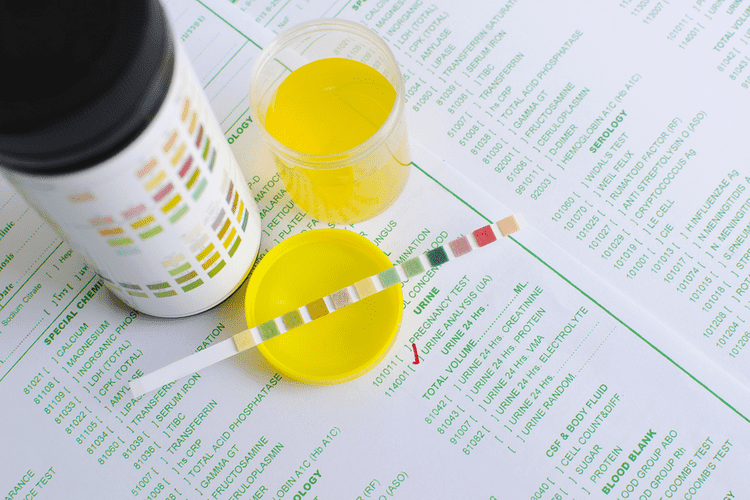
Injecting Drugs: Health Risks and Social Consequences
The uncomfortable symptoms of sudden alcohol intolerance not only cause discomfort but may also lead to avoidance of social situations where alcohol is present. Immediate and uncomfortable reactions to alcohol consumption characterize sudden alcohol intolerance. While there is no way to treat this condition, your healthcare provider can talk with you about ways to reduce the negative effects of alcohol intolerance.
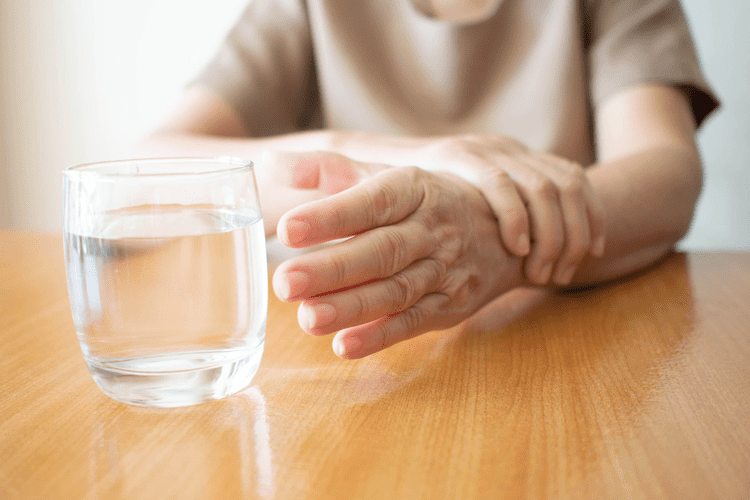
Is Alcohol Intolerance the Same Thing as an Alcohol Allergy?
This condition stems primarily from genetic factors, such as a deficiency in the enzyme Aldehyde Dehydrogenase (ALDH2), which prevents the body from fully breaking down alcohol’s toxic byproducts. Due to the genetic nature of ALDH2 deficiency, treatments are limited to managing symptoms and avoiding alcohol rather than reversing the intolerance itself. To accurately diagnose alcohol intolerance, medical professionals look for consistent patterns in symptoms and apply a series of targeted diagnostic methods. Each diagnostic tool provides insights into the patient’s metabolic response to alcohol and helps rule out other conditions, ensuring a clear and precise diagnosis. The common risks of Alcohol Intolerance include a range of physical, psychological, and behavioral consequences that emerge from the body’s inability to metabolize alcohol effectively.
Mental Health and Loneliness
This questionnaire will summarize your specific allergy symptoms to share with your healthcare provider and learn more about your testing options. If an allergy to an ingredient in alcohol is suspected, an allergy test may be recommended. A blood allergy test, also called a specific IgE test, is a powerful diagnostic tool that can pinpoint what allergen may be causing your symptoms. This test measures the concentration of IgE antibodies in the blood that indicates a sensitization to a specific allergen. Treatment for long COVID, including symptoms like alcohol intolerance, typically involves a multidisciplinary approach aimed at managing specific symptoms and improving overall well-being.
Alcohol Intolerance: Symptoms And Causes
These medications can interfere with the enzymes responsible for metabolizing alcohol, leading to unpleasant reactions even after consuming small amounts. It is essential to discuss medication use with a healthcare provider to understand potential interactions with alcohol. Changes in how the body responds to alcohol can be surprising and unsettling. Many people who have comfortably consumed alcohol in the past may suddenly find themselves experiencing unpleasant reactions with just a few sips. This phenomenon, often referred to as sudden onset alcohol intolerance, can bring up questions about health, underlying conditions and next steps.

Anyone who drinks in excess will likely experience these adverse effects to some extent. For most mild-to-moderate cases, symptoms like facial flushing and headaches can subside within a few hours. However, gastrointestinal distress or migraines might linger into the next day. In some cases, alcohol intolerance can cause the body to release histamines, similar to what happens in an allergic reaction.
What is Sudden Alcohol Intolerance?
When faced with alcohol intolerance, the primary approach for managing and alleviating symptoms is to adopt avoidance strategies and make certain lifestyle changes. While there is no cure for alcohol intolerance, taking these steps can help individuals with this condition lead a healthier and more comfortable life. While some people alcohol intolerance symptoms may experience sudden intolerance to alcohol, certain vulnerabilities and factors can contribute to its prevalence. Two key factors to consider are Asian descent risk and age-related sensitivity.
- The length and severity of hangovers can vary, depending not just on the strength and quantity of alcohol consumed, but also the rate our body can process it at, which varies from person to person.
- Managing menopause symptoms can feel overwhelming, especially when effective solutions seem hard to find.
- A quick overview of high histamine foods includes processed meats, cheeses (except farmer cheese), and seafood that isn’t completely fresh.
The sudden development of alcohol intolerance Sober living house is a common early symptom of CFS. If you’re allergic to another ingredient contained in certain alcoholic products, switching to a different drink might be an option. If they suspect you have a true allergy to alcohol or another ingredient in alcoholic beverages, they will likely conduct allergy testing. During a skin prick test, your doctor will use a lancet to prick or scratch your skin. They will apply a drop of allergen extract to the pricked or scratched area.